


iNTRODUCTION OF SINTERED BRONZE FILTER
Sintered bronze filters offer a versatile solution for a wide array of filtration needs across industries. Utilizing the sintering process, bronze powder is heated to fuse particles together, creating a porous structure ideal for filtration. This manufacturing method ensures uniformity and durability, enhancing their effectiveness in capturing contaminants while maintaining consistent flow rates. These filters find applications in diverse fields such as automotive, aerospace, pharmaceuticals, and petrochemicals, where they are utilized for air, gas, and liquid filtration. With their robust construction and reliable performance, sintered bronze filters are indispensable components for ensuring quality and efficiency in numerous
High Filtration Efficiency
Excellent Durability
Consistent Flow Rates
Sintered bronze filter
-
![Sintered Bronze Filter]() Add to Inquiry
Add to Inquiry -
![Sintered Bronze Plate Oil Filter]()
Sintered Bronze Plate Oil Filter
Add to Inquiry -
![Bronze Oil Air Disc Filter]() Add to Inquiry
Add to Inquiry -
![Sintered Bronze Filter Element]()
Sintered Bronze Filter Element
Add to Inquiry -
![Sintered Bronze Metal Filter]() Add to Inquiry
Add to Inquiry -
![Sintered Brass Gas Filter]() Add to Inquiry
Add to Inquiry -
![Metal Powder Sintered Bronze Filter]()
Metal Powder Sintered Bronze Filter
Add to Inquiry -
![Sintered Metal Bronze Powder Filter]()
Sintered Metal Bronze Powder Filter
Add to Inquiry -
![Sintered Bronze Brass Air Gas Filter]()
Sintered Bronze Brass Air Gas Filter
Add to Inquiry -
![Sintered Porous Bronze Metal Filter]()
Sintered Porous Bronze Metal Filter
Add to Inquiry -
![Sintered Bronze Breather Vent Filter]()
Sintered Bronze Breather Vent Filter
Add to Inquiry -
![Sintered Porous Powder Bronze Filter]()
Sintered Porous Powder Bronze Filter
Add to Inquiry


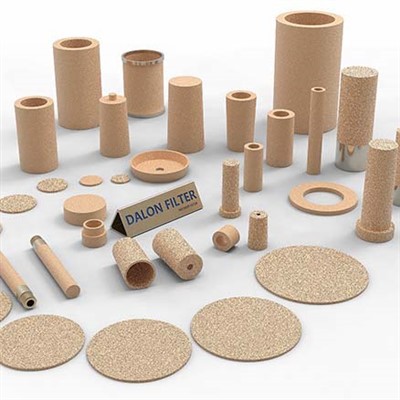


why choose us
Quality Assuarance for Sintered Filter
DALON prioritize quality assurance through obtaining industry-leading certifications such as ISO 9001. This certification underscores our commitment to maintaining stringent quality management systems, ensuring that our sintered bronze filters consistently meet or exceed industry standards. By adhering to these certifications, we instill confidence in our customers, demonstrating our dedication to delivering products of exceptional quality and reliability.
Product Range
Our product range includes sintered plastic filters, sintered wire filters, sintered bronze filters, sintered stainless steel filters. Each product is engineered to meet specific industry requirements and standards.
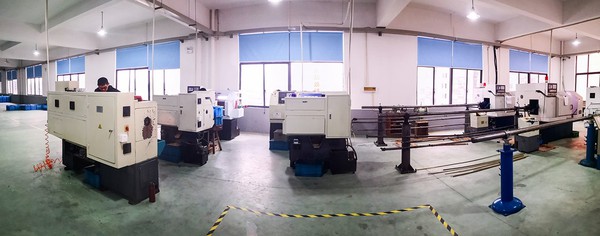
Quality Assurance
Testing procedures are integral to ensuring the functionality and durability of sintered bronze filters. These may encompass various methods such as porosity testing, filtration efficiency testing, pressure drop testing, and corrosion resistance testing. Advanced techniques like scanning electron microscopy (SEM) and X-ray diffraction (XRD) may also be employed to analyze microstructures and detect any defects or inconsistencies. Rigorous testing ensures that the filters meet or exceed performance specifications and can withstand harsh operating conditions.

Introduction to Bronze Filters
Bronze filters, also known as sintered bronze filters, are porous filtration components produced through the sintering of bronze powders. These filters feature excellent mechanical strength, precise porosity control, and robust structural integrity, making them ideal for numerous industrial applications. The sintering process ensures uniform pore distribution and reliable filtration performance, providing efficient separation of contaminants in gases and liquids.


Key Advantages of Bronze Filters
Exceptional Durability
Bronze filters exhibit outstanding mechanical resilience, allowing them to withstand high pressure and impact without structural compromise.
01
Precision Filtration
Offering precise pore sizes, these filters effectively remove particulates, ensuring consistent fluid quality and protecting critical equipment.
02
Corrosion Resistance
Bronze inherently resists corrosion, enabling reliable filtration in corrosive environments and extending filter life.
03
Self-Lubricating and Maintenance-Free
The natural lubricity of bronze reduces friction and wear, allowing for minimal maintenance and extended service intervals.
04
Cost-Effectiveness
Durable construction and reusability through cleaning methods reduce long-term operational costs significantly.
05
Typical Applications of Bronze Filters
Bronze filters are widely utilized across various industries, including:
Pneumatic Systems
Essential for filtering compressed air, protecting pneumatic equipment from contamination, and ensuring smooth operation.
Hydraulic Systems
Provide reliable filtration for hydraulic fluids, protecting pumps and valves from particulate damage.
Automotive Industry
Commonly used in fuel and oil filtration, improving engine performance and longevity.
Industrial Machinery
Employed in compressors, lubrication systems, and power generation equipment, offering effective contaminant control.
Marine Applications
Resistant to marine environments, ideal for fuel and lubrication filtration systems aboard vessels.
Customization Capabilities
Understanding unique industrial requirements, we offer extensive customization options for bronze filters:
Tailored Shapes and Dimensions
Customized into discs, tubes, cylinders, or unique shapes as per your precise specifications.
Controlled Porosity and Filtration Ratings
Pore sizes ranging from coarse (above 100 microns) to ultra-fine (below 1 micron) to suit specific filtration needs.
Material Enhancements
Additional treatments or alloy variations can be implemented for specialized applications requiring enhanced corrosion resistance or higher structural strength.
Our certificates


Sintered filters find versatile applications across various industries due to their efficient filtration capabilities and robust construction.
Aerospace and Aviation
In aerospace and aviation applications, sintered filters are employed in fuel and hydraulic systems of aircraft to ensure the cleanliness and reliability of critical fluid circuits.
Our filters help protect aircraft engines, fuel pumps, and hydraulic components from damage caused by contamination, ensuring safe and efficient operation of aircraft.
Pneumatic Systems
In pneumatic systems, sintered filters are utilized to remove impurities from compressed air, ensuring clean and dry air supply to pneumatic components.
Sintered filters with specific pore sizes can be selected to meet the cleanliness requirements of pneumatic systems, ensuring optimal performance and reliability.
Oil Filtration
Sintered filters are employed in oil filtration applications to remove solid particles, sludge, and contaminants from lubricating oils and hydraulic fluids.
They help maintain the cleanliness of oil in engines, gearboxes, and hydraulic systems, thereby improving equipment performance and minimizing wear and tear on critical components.
Chemical Processing
Sintered filters are used in chemical processing industries for filtering corrosive liquids, gases, and chemicals.
These filters offer excellent chemical resistance and compatibility with a wide range of aggressive substances, making them suitable for applications involving acids, bases, solvents, and other corrosive media.

Automotive Industry
Widely used in automotive applications, particularly in fuel systems and hydraulic systems.

Medical and Pharmaceutical Industry
Play a crucial role in maintaining the purity of gases, liquids, and air.

Aerospace Industry
Employed in aerospace applications for air and fluid filtration in critical systems such as aircraft engines, hydraulic systems, and environmental control systems.

Industrial Manufacturing Processes
essential components in various industrial manufacturing processes, including chemical processing, oil and gas refining, and water treatment.
Frequently Asked Questions (FAQs)
Q: What is a sintered filter??
Q: What are the grades of sintered filters?
Q: What is sintered material?
Q: How are sintered filters made?
Q: What is the classification of sintering?
Q: Is it possible to get samples?
Q: About tooling charge?
Q: About lead time?
Q: About payment terms?
Q: What is a bronze filter?
A: Bronze filters are porous filtration components made from sintered bronze powders, widely used for precise particulate separation in various industrial systems.
Q: What industries commonly use bronze filters?
A: Industries such as automotive, pneumatic and hydraulic systems, marine, industrial machinery, and oil and gas sectors commonly utilize bronze filters for reliable filtration.
Q: Can bronze filters be reused?
A: Yes, bronze filters can be cleaned and reused. Common cleaning methods include backflushing, ultrasonic cleaning, or chemical cleaning, extending their operational life significantly.
Q: How do bronze filters compare to stainless steel filters?
A: Bronze filters generally offer better lubricity and lower friction, making them ideal for pneumatic and hydraulic applications. Stainless steel filters may provide higher temperature resistance and superior chemical compatibility in extremely aggressive environments.
Q: Are bronze filters suitable for high-pressure systems?
A: Absolutely. Due to their robust mechanical strength and durability, bronze filters are highly suitable for high-pressure applications in hydraulic and pneumatic systems.
Q: Can bronze filters be customized?
A: Yes, we offer extensive customization, including specific dimensions, pore size control, and material properties to meet unique industrial filtration requirements.
Contact Us for Your Bronze Filter Needs
Ready to enhance your filtration systems with durable, reliable, and cost-effective bronze filters? Contact us today to discuss your specific requirements, request samples, or receive a customized quotation. Our dedicated team is ready to provide expert assistance and deliver filtration solutions tailored precisely to your industrial applications.
As one of the leading bronze filter manufacturers and suppliers in China, we warmly welcome you to wholesale custom made bronze filter from our factory. All products are with high quality and competitive price.
bronze oil filter, Disc Filters, Sintered Metal Powder Filter