


INTRODUCTION OF SINTERED IRON BUSHING
Sintered iron bushings are advanced components widely used in mechanical systems for their exceptional strength, durability, and self-lubricating properties. Through the sintering process, iron powder is compressed and heated to form a solid, porous structure that is then infused with lubricating materials, ensuring smooth operation and reduced friction. These bushings find applications across automotive, industrial machinery, aerospace, construction, and renewable energy sectors, where they enhance performance and reliability in demanding environments. Their ability to withstand heavy loads, high temperatures, and corrosive conditions makes sintered iron bushings indispensable in various industries for ensuring efficient and long-lasting mechanical operations.
High Strength
Sintered iron bushings offer exceptional strength and durability, making them suitable for heavy-duty applications where reliability is crucial.
Self-Lubrication
These bushings are self-lubricating, reducing friction and wear, leading to longer service life and minimal maintenance requirements.
Corrosion Resistance
Sintered iron bushings are highly resistant to corrosion, making them ideal for use in harsh environments such as marine and industrial settings.
Customizable Properties
They can be customized to meet specific application requirements, including size, shape, and lubrication properties, ensuring optimal performance in diverse industries.
sintered iron bushing
-
![Sintered Iron Bushing]() Add to Inquiry
Add to Inquiry -
![Sintered Oil Iron Bushing]() Add to Inquiry
Add to Inquiry -
![Oil Graphite Impregnated Iron Bushing]()
Oil Graphite Impregnated Iron Bushing
Add to Inquiry -
![Metric Self Lubricating Oil Iron Bushing]()
Metric Self Lubricating Oil Iron Bushing
Add to Inquiry -
![Sintered Iron Oil Lube Bushing]()
Sintered Iron Oil Lube Bushing
Add to Inquiry -
![Self Lubricating Oilite Iron Ventilador Bushing]()
Self Lubricating Oilite Iron Ventilador Bushing
Add to Inquiry -
![Sliding Self-Lubricating Iron Bushing]()
Sliding Self-Lubricating Iron Bushing
Add to Inquiry -
![Sintered Iron Powder Metallurgy Bushing]()
Sintered Iron Powder Metallurgy Bushing
Add to Inquiry -
![Oil Iron Graphite Flange Bushing]()
Oil Iron Graphite Flange Bushing
Add to Inquiry -
![Flanged Graphite Filled Sintered Iron Bushing]()
Flanged Graphite Filled Sintered Iron Bushing
Add to Inquiry -
![Sintered Iron Cylinder Fan Motor Bushing]()
Sintered Iron Cylinder Fan Motor Bushing
Add to Inquiry -
![Sintered Iron Cylinder Eccentric Motor Bushing]()
Sintered Iron Cylinder Eccentric Motor Bushing
Add to Inquiry




Why Choose us
Quality Assuarance for Sintered Iron Bushing
DALON prioritize quality assurance through obtaining industry-leading certifications such as ISO 9001. This certification underscores our commitment to maintaining stringent quality management systems, ensuring that our sintered Iron bushings consistently meet or exceed industry standards. By adhering to these certifications, we instill confidence in our customers, demonstrating our dedication to delivering products of exceptional quality and reliability.
Advanced Manufacturing Facility
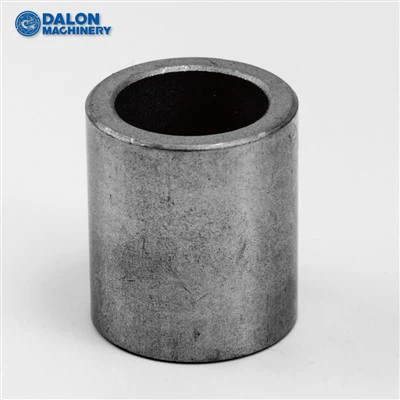
Our factory boasts a modern and technologically advanced manufacturing facility dedicated to producing high-quality sintered bushings. Equipped with state-of-the-art machinery and tools, we ensure precision and consistency in our bushing production processes.

Extensive Product Range
We offer a wide range of sintered bushings tailored to meet various industrial applications. Our product line includes sintered bronze bushings, sintered iron bushings, sintered stainless steel bushings, and custom-designed bushings to suit specific customer requirements.
Introduction to Sintered Iron Bushings
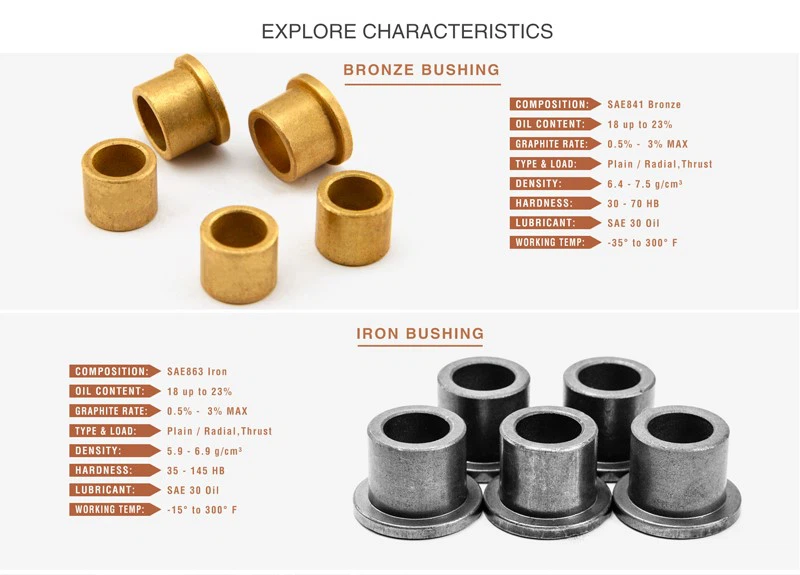
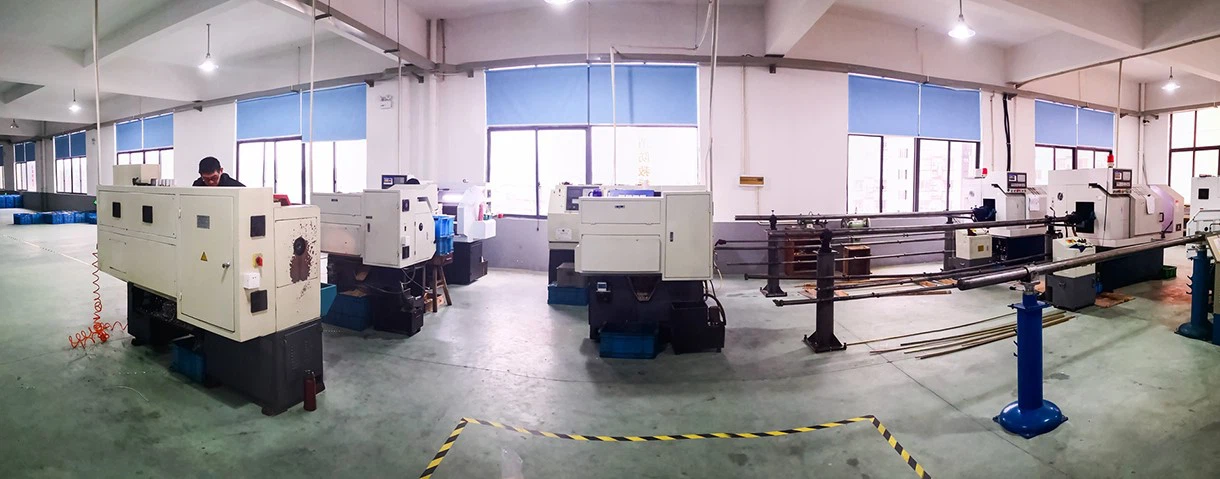
Sintered iron bushings are powder metallurgy iron bushings made by compressing iron powder in a mold and heating it at high temperature (below the melting point) to bond the particles. This process, known as sintering, creates a strong, porous metal component. The resulting sintered iron sleeve bearing has a network of tiny pores that can be vacuum-impregnated with lubricating oil, turning it into a self-lubricating iron bushing. In operation, the bushing slowly releases oil from its pores to provide lubrication between the bearing and shaft, reducing friction. These bushings are valued in industrial applications for their combination of strength, durability, and built-in lubrication. Sintered iron bushings perform reliably in demanding environments – especially those involving high loads or shock – while offering a more cost-effective alternative to bronze bearings. Their robust iron structure makes them well-suited for heavy-duty settings and moderate-speed uses (such as oscillating or rotating movements), even in dirty or abrasive conditions. At the same time, the oil-infused porous structure provides low-maintenance operation, making these components ideal for equipment where regular re-lubrication is difficult.


Key Features and Benefits
Sintered iron bushings offer several key features that appeal to B2B buyers looking for durable and economical bearing solutions. Below are some of the main features and benefits of our sintered iron bushings:
High Strength and Load Capacity
Engineered from iron powder, these bushings exhibit excellent mechanical strength and can support heavy loads. The sintered iron structure has high compressive strength and can endure significant stresses, making it suitable for heavy machinery and high-impact applications. This strength translates into reliable performance under heavy load-bearing conditions and resistance to deformation.
Wear Resistance and Durability
Iron is a hard and wear-resistant material. Sintered iron bushings maintain their form and functionality even with prolonged use. They withstand abrasion and resist wear, ensuring a long service life. This durability means less frequent replacements and lower downtime for your equipment. The robust nature of iron bushings makes them ideal for harsh environments where bushing wear could be accelerated (for example, in dusty or dirty machinery).
Self-Lubricating Performance
Each bushing is oil-impregnated during manufacturing, effectively creating a self-lubricating bearing. The lubricating oil stored in the porous iron matrix is released gradually during operation, providing continuous lubrication to the shaft. This results in a lower friction coefficient and reduces the need for additional external lubrication. While sintered iron bushings have slightly lower oil content than their bronze counterparts, they still offer moderate lubrication performance that is sufficient for many applications. The self-lubricating feature minimizes maintenance requirements and ensures smooth operation with reduced friction and noise.
Cost-Effective Solution
Sintered iron bushings are a cost-effective sintered bearing choice for many industries. Iron powder is generally less expensive than bronze alloys, and the powder metallurgy process allows efficient mass production with minimal material waste. The combination of a lower raw material cost and long operational life makes these bushings economically attractive. Additionally, their self-lubricating, low-maintenance nature can reduce operational costs (less lubricant purchase and less downtime for maintenance). For companies looking to balance performance with budget, sintered iron bushings provide an excellent value.
Differences Compared to Sintered Bronze Bushings
Sintered iron bushings and sintered bronze bushings are both oil-impregnated, self-lubricating bearings made via powder metallurgy, but there are important differences in their materials and performance that influence where each is used:
Material Composition and Properties
The primary difference is the base material – sintered iron bushings are made from iron (often with small amounts of carbon or other additives), whereas sintered bronze bushings are made from a copper-tin bronze alloy. This material difference leads to different properties. Bronze is naturally corrosion-resistant and non-rusting, while iron is stronger but can oxidize (rust) if unprotected. Bronze bushings typically have a golden-brown appearance and iron bushings are grayish. In practice, bronze’s inherent resistance to corrosion makes bronze bushings preferable in moist or corrosive environments, whereas iron bushings might need a protective coating or regular lubrication if used in such conditions.
Lubrication Performance
Both types are oil-impregnated and self-lubricating, but sintered bronze bushings generally have a slightly higher porosity (often ~20-25% oil by volume) than sintered iron bushings (which might have ~15-20% oil by volume). This means bronze bushings can hold a bit more oil, offering excellent lubrication and extremely low friction. Sintered iron bushings provide moderate self-lubrication – more than sufficient for many applications with rotating or oscillating motion, but under very high-speed conditions bronze may run slightly cooler and more quietly due to its higher oil content and the lubricity of bronze material itself. In other words, bronze bushings excel in high-speed, low-load scenarios with superior self-lubrication, while iron bushings perform very well in medium-speed or intermittent operations with high loads. Both types are generally maintenance-free, but iron bushings might benefit from occasional re-oiling in extremely demanding applications or after very long service periods.
Load-Bearing and Strength
Sintered iron bushings are known for their high load-bearing capacity and mechanical strength. They can handle heavy static loads and shock loads a bit better than bronze bushings, due to iron’s higher hardness and strength. Sintered bronze bushings also have excellent compressive strength (bronze is a strong metal), but they tend to be slightly softer than iron. In applications with continuous heavy loads or impact (for example, in certain agricultural or construction equipment), iron bushings might offer better longevity as they resist deforming under pressure. Bronze bushings, on the other hand, perform exceptionally well under steady loads and high rotational speeds, providing a very smooth bearing surface. In summary, if your application involves heavy loads, shock, or impact, sintered iron bushings are often preferred; for high RPM or very smooth motion with moderate loads, sintered bronze bushings are a common choice.
Typical Use Cases
Because of the differences above, the two bushing types often serve different industries or equipment. Sintered bronze bushings are widely used in household appliances (like washing machines, fans, small electric motors), office equipment, and other devices where quiet, smooth operation and zero maintenance are priorities. They are also common in applications where corrosion resistance is needed or where the components might not be easily accessible for any maintenance. Sintered iron bushings, being more economical and robust, are favored in heavy-duty and industrial contexts – such as power tools, automotive components, farm machinery, and industrial machinery. They are also chosen in designs where cost is a major factor, providing a budget-friendly bearing without sacrificing too much performance. Many manufacturers will choose sintered iron bushings for large production runs of equipment where each penny matters, or for equipment that must endure rough handling and high stress.
In summary, both sintered iron and sintered bronze bushings are self-lubricating and reliable. The choice between them comes down to the specific application requirements: load, speed, environment, and cost. Sintered iron bushings shine in heavy-load, cost-sensitive scenarios, while bronze bushings are often selected for high-speed or sensitive applications requiring the absolute lowest friction and inherent corrosion resistance.
Common Applications of Sintered Iron Bushings
Sintered iron bushings are used across numerous industries. Thanks to their strength and self-lubricating properties, they often appear in equipment that faces substantial loads or challenging operating conditions. Below are some common applications where sintered iron bushings are an ideal choice:
Power drills, circular saws, grinders, sanders, and other portable power tools frequently incorporate sintered iron sleeve bearings in their motors and moving parts. These bushings handle the high speeds and vibrations of power tools while providing reliable support for rotating shafts. Their durability ensures the tools can withstand repetitive use and sudden impacts. Additionally, the self-lubricating nature helps maintain performance in tools that users likely won’t lubricate regularly.
Many types of fan equipment and moderate-sized electric motors use sintered iron bushings as economical, quiet bearings. Examples include ventilation fans, industrial blower fans, and even some appliance motors. In fan assemblies, sintered iron bushings support the fan shafts, offering long-term operation with minimal maintenance. They reduce friction and noise, contributing to quieter operation compared to a plain steel bearing. While small household fans often use sintered bronze bushings for ultra-quiet performance, larger or cost-focused fan designs (such as pedestal fans or exhaust fans) commonly use sintered iron bushings for a good balance of cost and performance.
Farm and agricultural equipment operate in dirty, outdoor environments and often face high loads. Sintered iron bushings are commonly found in applications like tractor linkages, combine harvesters, tillers, and irrigation machines. For instance, pivot points on a tractor’s attachments or the moving joints of a harvester header can use oil-impregnated iron bushings to cut down on maintenance in the field. These bushings can handle the dust, mud, and shock loads of agriculture. They provide dependable service in components such as steering assemblies, hinge points, and rotating shafts on farm implements, significantly extending the equipment’s service life even when lubrication maintenance is infrequent.
In industrial settings – from manufacturing lines to construction equipment – sintered iron bushings serve as dependable plain bearings. They are used in power transmission components (gearboxes, pulley assemblies), hydraulic machinery (pumps and motors), and material handling systems (conveyor rollers, forklifts) where they support heavy loads and moderate speeds. For example, conveyor belt rollers in a factory might use sintered iron bushings to support heavy loads with minimal friction. In hydraulic pumps, these bushings can endure high pressure environments and provide smooth rotation for shafts. The resilience of iron bushings against shock and their ability to hold lubricating oil make them a popular choice for construction machinery like loaders, excavators, and concrete mixers, which operate under punishing conditions.
Although many automotive components use bronze or steel bearings, certain parts (especially in heavy vehicles or aftermarket parts) utilize sintered iron bushings. For instance, starter motors, wiper motors, or pedal hinge points might use sintered iron bushings to take advantage of their self-lubrication and strength. Additionally, some aftermarket suspension bushings or drivetrain components in off-road vehicles are made from sintered iron for improved durability. In general, anywhere a strong, oil-infused plain bearing is needed in vehicles or transportation equipment, these bushings can be considered. They are also used in rail equipment and heavy trucks for pivot joints and linkage points that must sustain large loads.
These examples highlight just a few of the environments where sintered iron bushings excel. In summary, any application that requires a robust, low-maintenance, and cost-effective bearing solution – especially under high load or less-than-perfect operating conditions – is a good candidate for a sintered iron bushing. From power tools and fan motors to agricultural machinery and industrial equipment, these bushings help ensure smooth, reliable motion and long equipment life.
Our certificates
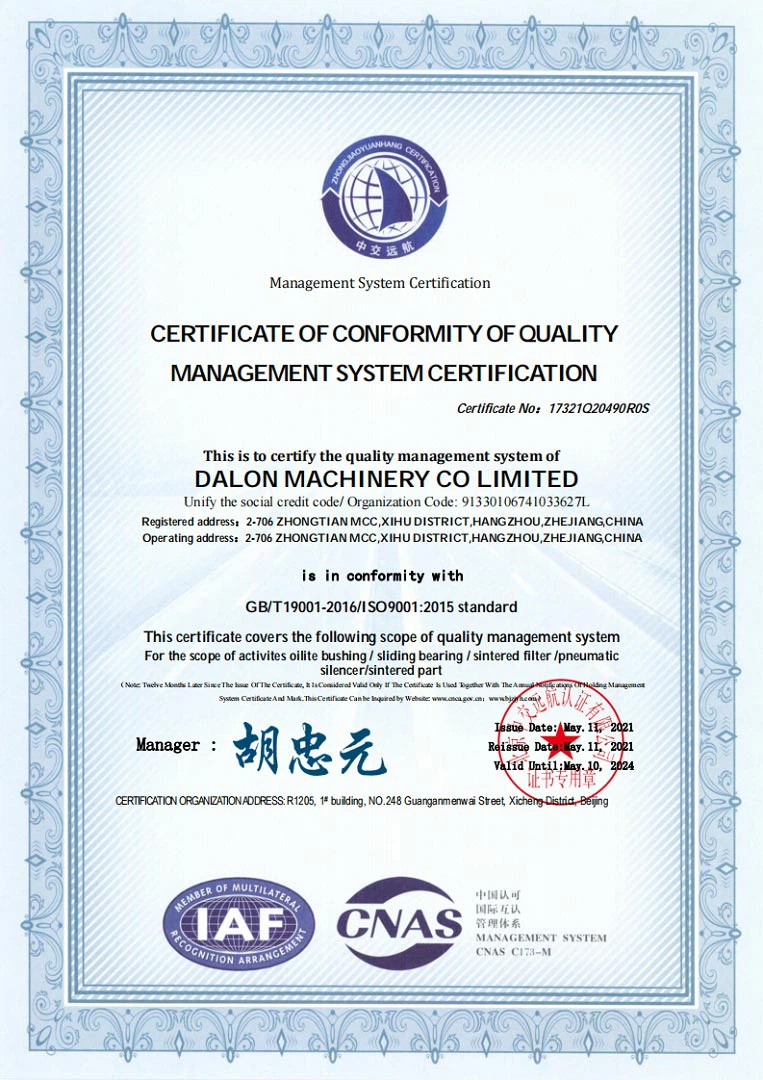
GB/T19001-2016/ISO9001:2015 Standards
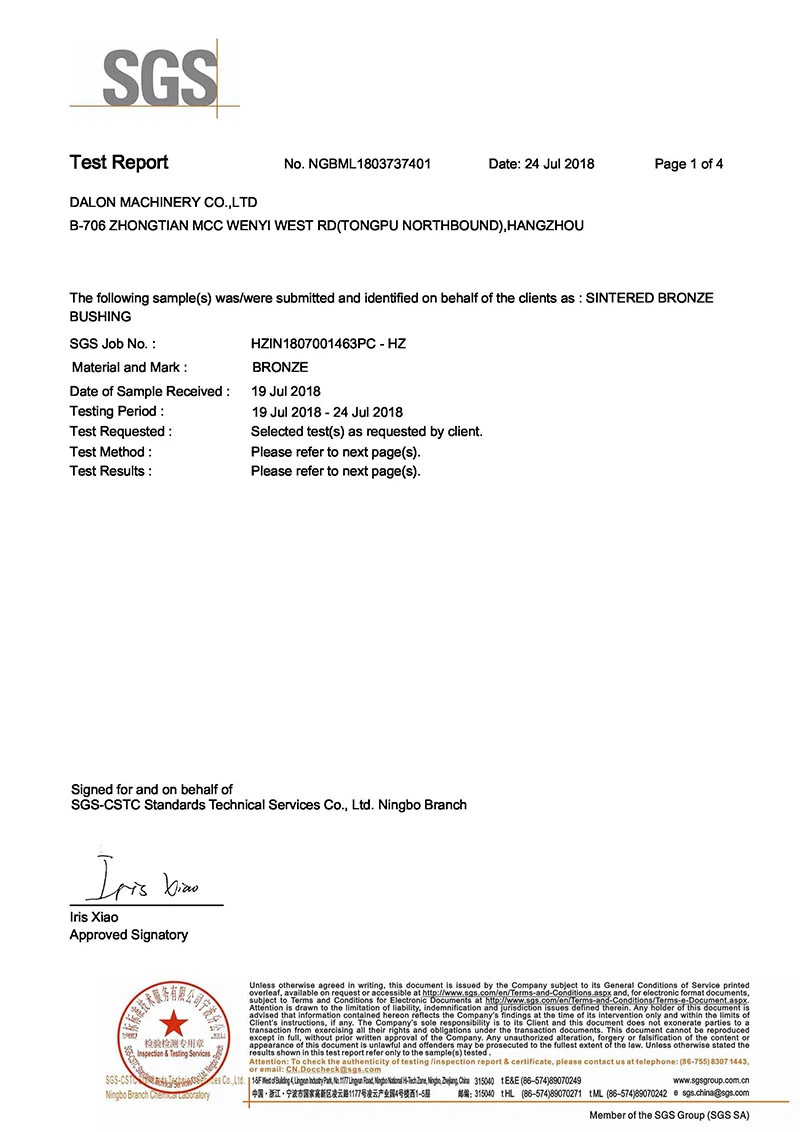
SGS Certificates: Sintered Bronze Bushing
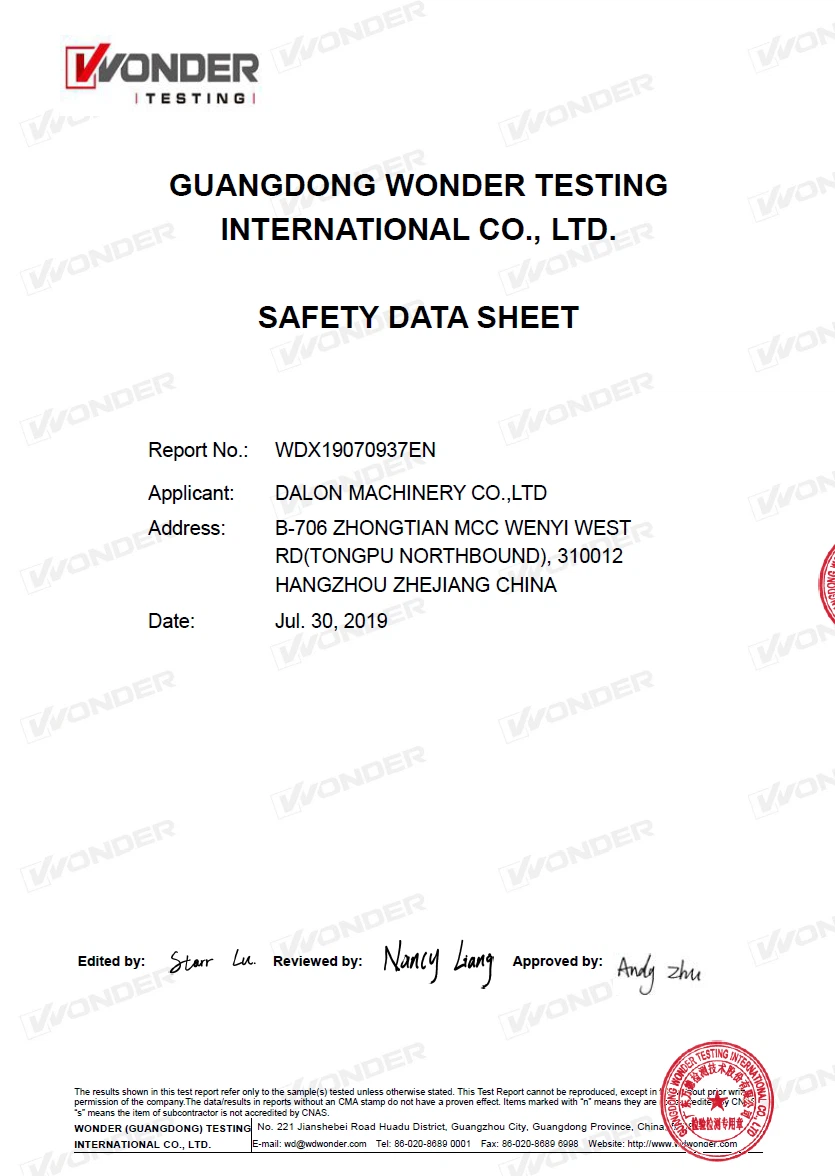
MSDS Safety Data Certificates
Main Applications for sintered iron bushing
Sintered iron bushings find versatile applications across numerous industries due to their exceptional properties and durability.
Automotive Industry:
+
-
Used in suspension systems, steering components, and engine parts, sintered iron bushings withstand high loads and provide smooth operation, enhancing vehicle performance and longevity.
Medical Devices:
+
-
Applied in medical equipment like surgical instruments and imaging machines, sintered iron bushings offer low friction, durability, and biocompatibility for critical medical applications.
Aerospace and Aviation:
+
-
Found in aircraft landing gear, control surfaces, and engine components, sintered iron bushings ensure precise movement, durability, and resistance to harsh aerospace environments.
Construction Equipment:
+
-
Utilized in construction machinery such as cranes, excavators, and bulldozers, these bushings handle heavy loads and rugged conditions, contributing to equipment efficiency and reliability.
 Marine Applications
Used in marine propulsion systems, steering mechanisms, and winches, sintered iron bushings resist corrosion from saltwater exposure, maintaining performance in maritime environments.

Power Transmission Systems
Found in gearboxes, motors, and conveyor systems, these bushings reduce friction, improve energy efficiency, and enhance the overall reliability of power transmission equipment.

Industrial Machinery
Employed in heavy machinery like hydraulic systems, pumps, and compressors, these bushings offer reliable operation under extreme conditions, reducing downtime and maintenance costs.

Renewable Energy Systems
Used in wind turbines, solar tracking systems, and hydroelectric generators, these bushings contribute to the efficiency and reliability of renewable energy infrastructure, withstanding challenging operating conditions.
Customization Options
Every industrial application can have unique requirements, and one advantage of powder metallurgy components is the ease of customization. We offer a range of custom iron sleeve bearing options to meet your specific needs. Our engineering team can collaborate with you to tailor the bushing’s design and material characteristics for optimal performance in your application. Key customization options include:
Dimensions and Shape
We can manufacture sintered iron bushings in virtually any size or form factor. Whether you need a standard cylindrical sleeve, a flanged bushing, or an irregular shape, we can create bushings to the exact inner diameter, outer diameter, and length your design requires. Tolerances can be held tight (typically following F7/r7 or similar standards) to ensure a proper fit in your assembly. We produce not only standard sleeve bushings but also flanged bushings, spherical bushings, and custom geometries. If your project calls for a unique shape or special features (like grooves or notches for locking in place), our powder metallurgy process can accommodate that without expensive secondary machining in many cases.
Material Blends and Impregnants
While the base is sintered iron, the material composition can be adjusted or enhanced to achieve certain properties. For example, small amounts of copper can be added to the iron powder mix to improve lubricity or machinability, or graphite can be included for additional self-lubrication. If your application demands even better friction performance or higher temperature operation, we can discuss using specific oil formulations or solid lubricants (like MoS₂) to impregnate the bushing. We can also apply surface treatments or coatings to the sintered iron bushings for enhanced corrosion resistance (such as zinc plating or phosphate coating) if the parts will be used in humid or corrosive conditions. These custom material blends and lubricant choices allow us to fine-tune the bushing’s performance characteristics (friction, load capacity, temperature tolerance, etc.) to suit your requirements.
Special Designs or Features
Beyond shape and material, other custom options include integrating the bushing into assemblies or adding features that aid in installation and performance. For instance, we can design custom flanged iron bushings that double as structural supports, or create iron bearing inserts that press-fit into housings you provide. If your design needs a certain porosity level or oil content, we can control the sintering parameters to achieve that. We also accommodate requests for custom iron-backed PTFE-lined bushings, or similar hybrid designs, if you need the strength of sintered iron combined with a low-friction lining for extreme applications. Our manufacturing is flexible – from prototypes to large production runs – so you can get the exact bushing solution you need.
In all cases of customization, our team will work closely with yours to understand the application’s load, speed, temperature, and environment. We can then recommend the best combination of iron material grade, lubricant type, and bushing geometry. The result is a tailor-made sintered iron bushing that integrates perfectly into your product, ensuring optimal performance and longevity.
FAQ
Below we address some common questions industrial buyers have about sintered iron bushings:
Q: Is it possible to get samples?
Q: About tooling charge?
Q: About lead time?
Q: About payment terms?
Q: What are sintered bushings?
Q: What are the advantages of sintered bushings?
Q: What are the uses of sintered bronze bush?
Q: What is the best material for bushings?
Q: What is the meaning of sintering?
Q: What is a sintered iron bushing and how is it made?
A: A sintered iron bushing is a type of sleeve bearing produced by powder metallurgy. In this process, fine iron powder is pressed into the desired bushing shape and then sintered (heated below the melting point) in a controlled furnace. Sintering fuses the powder particles together, creating a solid metal piece with a porous structure. The bushing is then typically soaked in lubricating oil under vacuum, filling those tiny pores with oil. The end product is a strong, one-piece iron bushing that can continually release lubricant during use, which is why it’s called self-lubricating. This manufacturing method allows complex shapes to be made with minimal machining and produces a cost-effective, ready-to-use bearing component.
Q: Do sintered iron bushings require additional lubrication or maintenance?
A: In general, sintered iron bushings are designed to be self-lubricating and maintenance-free. The oil impregnated in the bushing’s pores provides ongoing lubrication for a long period. During normal operation, as the shaft rotates within the bushing, a microscopic film of oil is drawn out to lubricate the interface, greatly reducing friction and wear. Because of this, you usually do not need to add grease or oil externally on a routine basis. However, if a bushing is used in an extremely high-load or high-temperature application, or if it operates for many years, it can be beneficial to check and re-oil the bushing during major maintenance overhauls to ensure it remains saturated. Additionally, if an iron bushing is used in a very wet or corrosive environment, applying extra grease or a corrosion-inhibiting lubricant on its exterior can help prevent rust. But under normal conditions, these bushings are very low-maintenance compared to standard plain bearings.
Q: How do sintered iron bushings compare to sintered bronze bushings?
A: Both sintered iron and sintered bronze bushings are oil-filled, self-lubricating bearings made through a similar process, but they differ in material and best-use scenarios. Sintered bronze bushings (made of copper-tin alloy) typically have excellent self-lubricating properties, slightly better corrosion resistance, and are often used for high-speed, low-load precision applications (like small electric motors or fans). Sintered iron bushings are made of iron (sometimes with small additives) and are prized for their higher strength and load capacity, and their lower cost. They are used in heavy-load and tough environments like power tools or industrial machinery. If your priority is maximum lubrication and quiet, smooth operation (and material cost is less of a concern), bronze may be preferred. If you need maximum strength and a more cost-effective bearing for heavy duty use, iron is a great choice. Our sintered iron bushings vs. bronze bushings section above provides more details, but the choice really depends on your specific application needs.
Q: Can sintered iron bushings be used outdoors or in wet conditions?
A: Yes, sintered iron bushings can be used in outdoor or humid environments, but some precautions are recommended. Because the base material is iron, it is susceptible to rust if exposed to water or moisture over time. The oil within the bushing does provide some protection by coating the internal surfaces, and we can also impregnate with specialty oils that include rust inhibitors. For outdoor applications, it’s wise to ensure the bushing has some form of protection: for example, periodic additional lubrication (applying grease to seal out moisture), or a thin protective coating on the exterior of the bushing (such as zinc plating or phosphating) to prevent rust. Many customers successfully use sintered iron bushings in lawn & garden equipment, agricultural machines, and even marine mechanisms by taking these protective measures. If your application will see prolonged exposure to the elements, let us know – we can provide bushings with enhanced corrosion protection or advise on maintenance intervals to keep them working smoothly. With proper care or design considerations, sintered iron bushings can definitely function well in outdoor environments for the long term.
Q: Are custom sizes or special designs available for sintered iron bushings?
A: Yes – we offer fully customizable sintered iron bushings. We understand industrial buyers often have unique requirements, so we provide custom manufacturing services. You can request non-standard inner/outer diameters, lengths, or special flange configurations to fit your design. Our engineering team can also adjust the iron material composition (or add elements like graphite or copper) to meet specific performance criteria. Even if you need a completely unique bearing shape or a certain oil impregnation tailored to your application, we can likely produce it. Typically, you would provide either a technical drawing or at least key dimensions and performance requirements, and our powder metallurgy experts will develop a bushing that meets those needs. We can accommodate both small prototype orders and high-volume production. Feel free to contact us with your specifications – we’ll be happy to advise on the best solution and provide a quote for custom sintered iron sleeve bearings built to your exact requirements.
Request a Quote or Sample
Ready to enhance your equipment with reliable, cost-effective sintered iron bushings? We are here to help. As a leading manufacturer of self-lubricating iron bushings for industrial applications, we welcome inquiries for both standard and custom orders. Contact our team today to discuss your project requirements or to request a sample for testing. We can provide detailed product information, technical support, and pricing tailored to your needs. Don’t hesitate to reach out via phone or email – our engineers can guide you in selecting the right bushing or designing a custom solution. Whether you need a one-time batch for a prototype or a long-term supply for production, we pride ourselves on responsive B2B service and on-time delivery. Unlock the benefits of sintered iron bushings in your products – request a quote now and let us supply you with the durable, self-lubricating bushings you need. Your machinery will run smoother and longer with our sintered iron bushings, and our team is ready to ensure you get the perfect fit for your application. Get in touch with us today to get started on your order or to receive a free consultation and sample!
As one of the leading iron bushing manufacturers and suppliers in China, we warmly welcome you to wholesale custom made iron bushing from our factory. All products are with high quality and competitive price.
Iron Sintered Self Lubricated Bushes, Pin Bearing Sintered Iron, Sintered Iron Fan Bushing